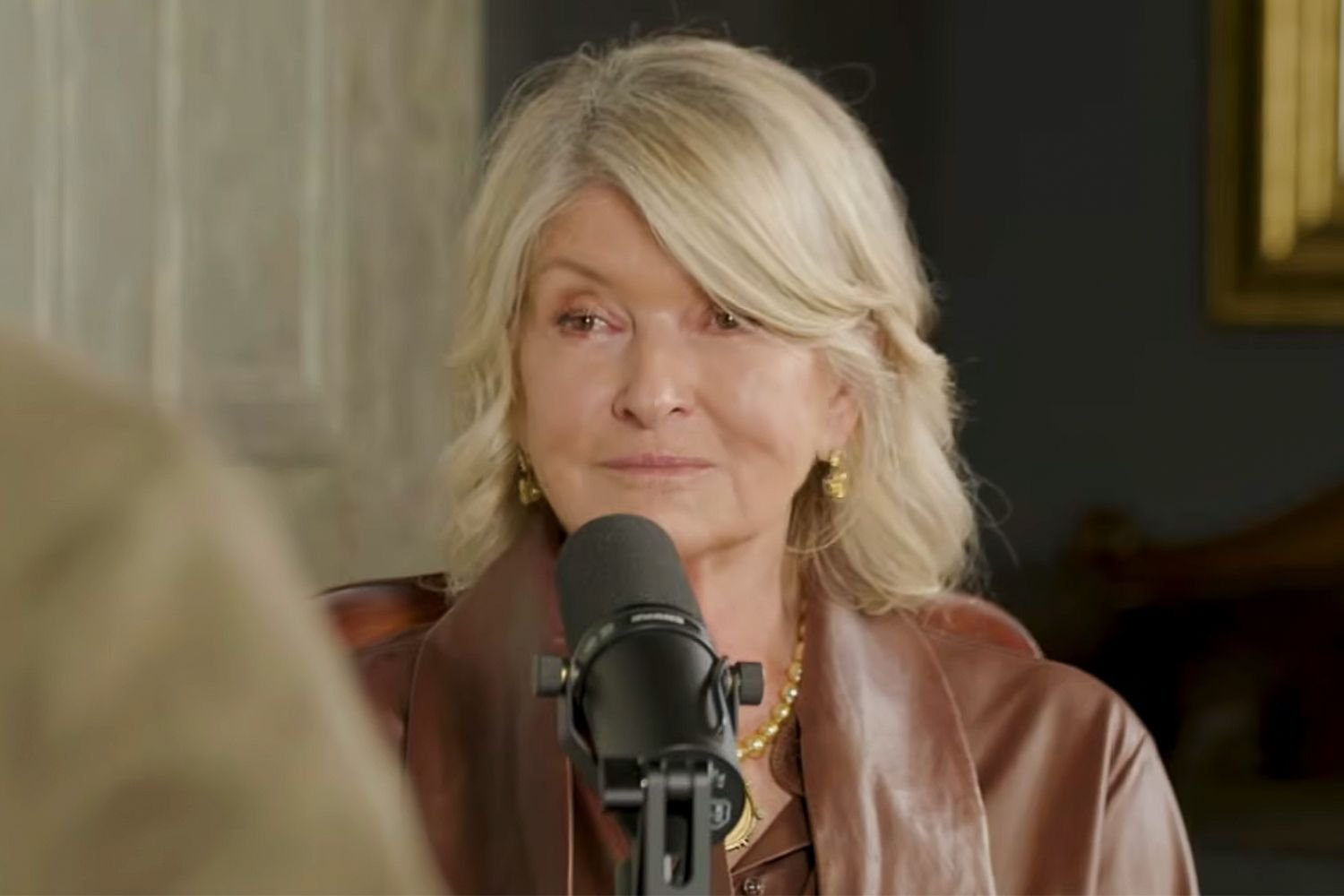
At 85 years old, Martha Stewart is finally peeling back the curtain on the financial reality behind one of the most iconic personal brands in American business history, and the numbers are as extraordinary as you would expect.
Appearing on the premiere episode of the MasterClass podcast Other People’s Business on Monday, October 6, 2026, she revealed that at the peak of her business empire, her partnership with retail giant Kmart was generating $65 million a year in royalties, all because the merchandise she attached her name to was selling close to $2 billion worth of goods annually.
“Kmart was my first big money, and it was a lot of money,” she told the host. “I was clearing $65 million a year in royalties, because we were selling close to $2 billion worth of merchandise.”
The partnership, which launched her Martha Stewart Everyday brand line through Kmart in the 1990s, became the financial foundation that allowed her to build everything else that followed, including her magazine and the broader business operations that would become Martha Stewart Living Omnimedia.
“That’s a lot of money,” she said simply of the royalty income. “And that was funding my whole development of my magazine and the whole business.”
But the conversation did not stay in the glow of past success as Martha Stewart was equally candid about how dramatically things changed, revealing that during a turbulent period in her career, she lost approximately $1 billion.
“I fell in a hole, and I lost about $1 billion,” she said.
Martha Stewart also reflected on the changing economics of brand licensing, noting that the kind of royalty rates she enjoyed during her Kmart partnership are significantly harder to achieve in today’s retail environment.
“It’s harder to do that nowadays because first of all, the royalties aren’t the same,” she explained.
“Now it’s three percent of wholesale and, you know, it gets lesser and lesser, companies are paying such small royalties.”